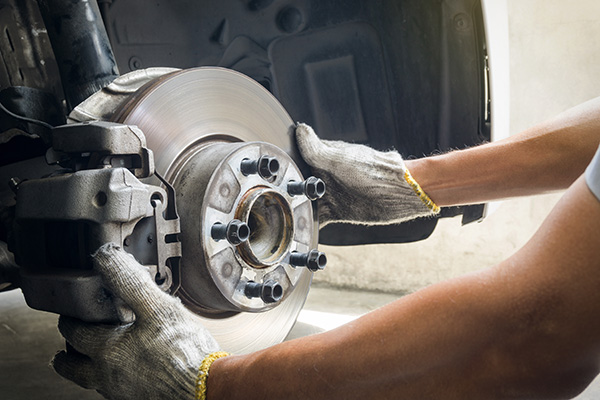
When everything in the brake system is working together, the car stops smoothly and straight with very little drama. When a brake caliper starts to stick, that balance disappears. You might feel a pull, a shake, or notice one wheel running hotter than the rest.
Those symptoms often get dismissed as “just pads and rotors,” but a problem caliper is usually what started the mess in the first place.
Why Brake Calipers Matter More Than You Think
Calipers are the workhorses that squeeze the brake pads against the rotors every time you press the pedal. Inside, pistons move in and out, guided by seals and hardware that let them release cleanly when you lift your foot. That release is just as important as the clamping force. If the piston or slides hang up, the pad can drag on the rotor, creating heat, extra wear, and uneven braking.
On many modern cars, the brake system is tuned so carefully that a single sticky caliper can throw off the whole feel of the vehicle. We see plenty of cases where replacing pads and rotors without addressing a dragging caliper leads to the same problem coming back far sooner than it should.
What A Sticking Caliper Feels Like From The Driver's Seat
From behind the wheel, sticking calipers show up in a few consistent ways. The car may pull to one side when you brake, even with what feels like a light pedal. On a longer drive, you might notice a burning smell from one corner or see that one wheel is much hotter than the others. Sometimes the brake pedal feels a bit soft or inconsistent as one caliper drags while the others work normally.
In more severe cases, you can feel the car slow down slightly even when you are not on the brakes, especially at lower speeds. Fuel economy can drop, and you may hear a light grinding or rubbing noise that changes with road speed. Those are all signs that something is staying applied when it should be released.
Common Causes Of Sticking Brake Calipers
Several different issues can make a caliper drag or stick. The most common ones we run into include:
- Corroded or contaminated caliper slide pins that no longer move freely
- Torn dust boots that let moisture and road grime reach the piston or pins
- Old, swollen rubber brake hoses that act like a one-way valve for fluid
- Rust and scale on the pad brackets that prevent the pads from sliding back
- Internal piston seal wear that keeps the piston from retracting smoothly
Sometimes more than one of these problems is present on the same corner, which is why a thorough inspection matters before deciding what to replace.
How Sticking Calipers Create Uneven Brakes And Extra Wear
When one caliper is doing more work than the others, it changes both how the car feels and how the parts wear out. The pad on that corner will usually wear much faster, sometimes down to metal, while the others still have life left. The rotor can overheat, turn blue or crack, and develop hard spots that cause vibration. That is where the classic “warped rotor” complaint often starts.
The extra heat can travel into wheel bearings, ABS sensors, and nearby suspension components. Over time, that heat cycling is tough on grease, seals, and wiring. You might feel a steering wheel shimmy, hear ABS faults, or notice strange noises from that wheel. All of this starts with a drag that was small at first and gradually grew into a major imbalance.
Owner Habits That Make Caliper Problems Worse
A few everyday habits can speed up caliper wear or hide it until the damage is expensive:
- Driving with the same brake fluid for many years, allowing moisture and corrosion to build up
- Ignoring a slight pull or smell on trips because “it goes away after a while”
- Replacing only pads on a problem corner without cleaning and lubricating hardware
- Skipping inspections when tires are rotated, missing early signs of uneven pad wear
- Riding the brakes downhill instead of using lower gears to control speed
None of these will ruin a caliper overnight, but together they shorten its life and increase the chance that it will start sticking when you need it most.
Why Professional Caliper Service Beats Quick Band-Aids
Good caliper service is more than just pushing the piston back and installing new pads. A proper brake job includes cleaning and lubricating slide pins with the right high-temperature grease, filing or brushing rust off pad brackets, checking hoses for internal collapse, and inspecting pistons and boots closely. If a caliper or hose is suspect, replacing it at the same time as the pads and rotors typically pays off in smoother, longer-lasting results.
We like to compare temperatures and pad wear side to side so we know if one corner is working harder than the other. That kind of detail helps us recommend whether you truly need new calipers, or if a careful service of your existing hardware is enough to restore even braking.
Get Brake Repair Service in Hillsboro, OR with Precision Import Repair
We can test for sticking calipers, measure pad and rotor wear, and check hoses and hardware so you know exactly why your brakes feel uneven. We focus on repairs that fix the root cause, not just the symptoms, so your next brake job lasts.
Call Precision Import Repair in Hillsboro, OR, to schedule brake caliper service and get your stopping power smooth and consistent again.
Follow us on Facebook for Updates!