Posted on 10/31/2025
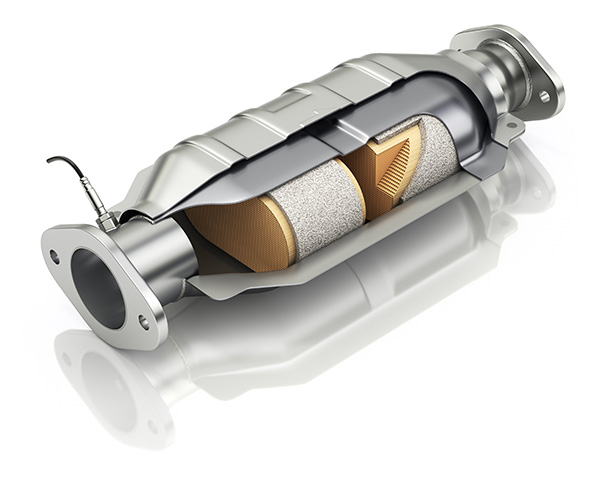
Your car’s catalytic converter reduces harmful exhaust emissions. It’s designed to convert toxic gases like carbon monoxide, hydrocarbons, and nitrogen oxides into less harmful substances before they leave your tailpipe. When the converter is functioning properly, your vehicle runs cleaner, passes emissions tests, and stays within legal pollution limits. But if your catalytic converter starts to fail, it can trigger a host of problems. From check engine lights to sluggish engine performance and even a rotten egg smell, a bad converter affects both your emissions and how your car drives. That’s why caring for it is not only an environmental responsibility but also a way to avoid costly repairs. What Causes a Catalytic Converter to Wear Out Most catalytic converters are built to last for well over 100,000 miles. However, they can wear out sooner under certain conditions. The most common causes of premature failure include: Unburned fuel entering the ... read more