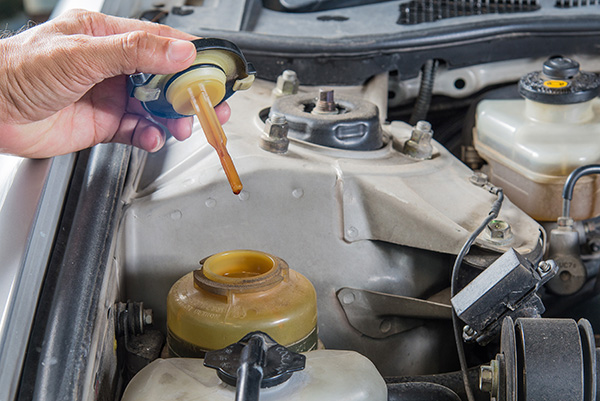
Steering issues rarely show up all at once. In many cases, they begin with subtle changes that are easy to overlook. The steering may feel slightly heavier, you might hear a faint noise when turning, or the wheel may not return to its original position as smoothly after a turn.
Low power steering fluid is often the cause of these early symptoms. While it may not seem urgent at first, continuing to drive this way can lead to more serious damage over time.
Power Steering Fluid Keeps Everything Moving Smoothly
Power steering fluid allows the system to operate with less effort. It creates the hydraulic pressure needed to assist with turning the wheel, especially at low speeds or while parking.
When fluid levels drop, that assistance is reduced. The system has to work harder to provide the same level of support, which puts added strain on key components.
Low Fluid Leads to Increased Friction
Without enough fluid, internal parts are not properly lubricated. Metal components inside the steering system begin to experience more friction as they move.
This added friction increases wear over time. What starts as a minor issue can gradually affect how smoothly the system operates and how responsive the steering feels.
Steering Becomes Heavier and Less Responsive
One of the first noticeable symptoms of low power steering fluid is a heavier steering feel. Turning the wheel may require more effort, especially at lower speeds.
This change may happen gradually, making it easy to adjust without realizing something is wrong. Over time, though, the difference becomes more obvious and can affect overall driving comfort.
Whining or Groaning Noises While Turning
Low fluid levels often cause noticeable noise when turning the steering wheel. A whining or groaning sound is common, especially under load.
These noises are usually a sign that the pump is struggling to move fluid through the system. Ignoring them allows the condition to worsen and can lead to more serious component wear.
The Power Steering Pump Can Be Damaged
The power steering pump relies on fluid for both lubrication and cooling. When fluid is low, the pump works harder and runs hotter than it should.
Over time, this can lead to pump failure. Replacing a pump is more involved than simply correcting fluid levels, which is why catching the issue early is important.
Leaks Are Often the Root Cause
Power steering fluid does not simply disappear. Low levels usually indicate a leak somewhere in the system. Common areas include hoses, seals, and connections.
A small leak may not seem urgent at first, but it will continue to lower fluid levels over time. Identifying and repairing the source of the leak helps prevent repeated problems.
Why the Problem Gets Worse Over Time
Driving with low power steering fluid creates a cycle of wear. As components experience more friction, they degrade faster. As they degrade, the system becomes less efficient, further increasing strain.
What begins as a simple fluid issue can turn into multiple component failures if left unaddressed.
Regular Maintenance Helps Prevent Steering Issues
Checking fluid levels is a simple but important part of regular maintenance. It helps catch drops early before they affect performance.
An inspection can also identify leaks or worn components before they lead to noticeable symptoms. Keeping the system properly maintained helps ensure consistent steering performance.
When to Schedule a Steering System Inspection
If you notice heavier steering, unusual noises when turning, or a drop in fluid level, it is time to have your system checked. Even mild symptoms are worth addressing early.
Addressing the issue promptly helps prevent further damage and keeps your steering system working as it should.
Get Power Steering Service In Hillsboro, OR, With Precision Import Repair
If your steering feels heavier than usual or you suspect a fluid issue, Precision Import Repair in Hillsboro, OR, can inspect your system and find the cause before it leads to more serious damage.
Call today to schedule your appointment and keep your steering system operating safely and reliably.
Follow us on Facebook for Updates!