A car that won't start can feel like it is keeping a secret. One day it’s fine, the next it’s doing something completely different with the key or button, and the dashboard lights don’t always make the situation clearer. The problem is that several issues can look similar from the driver’s seat, even though the fixes are very different.
The first goal is to sort the type of no-start you have.
The Two Questions That Narrow It Down Fast
Start with this: does the engine crank, or does it stay silent? Cranking means the starter is turning the engine over, even if it won’t run. No crank means you may only hear a click, or you may hear nothing at all.
Then ask whether the electrical system seems alive. Do the lights come on bright, or do they look weak and flickery? These two questions keep you from chasing fuel problems when it’s really a battery issue, or replacing a battery when the engine is cranking strongly.
Check The Battery Side Of The Problem First
Battery problems do not always show up as a completely dead car. A weak battery can still light up the cabin and power the radio, yet not have enough strength to crank the engine. Corroded terminals can also create a “sometimes” problem that changes depending on temperature and vibration.
This is one reason regular maintenance pays off. Cleaning terminals and checking cable tightness takes minutes and prevents a lot of frustrating no-start mornings. If your headlights dim hard when you try to start, or the screens reset, battery and connection checks belong at the top of the list.
Starter Clicks, Slow Crank, Or No Crank
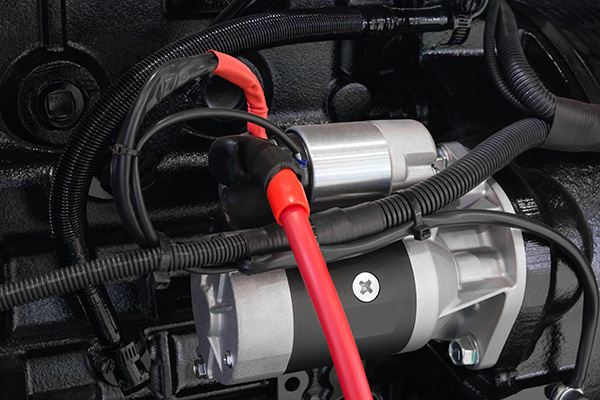
A single click often points to not enough power reaching the starter, or a starter that’s sticking. Rapid clicking usually suggests low voltage, which is often battery-related, but it can also occur with poor terminal connections. A slow, labored crank can be battery, cable resistance, or a starter that’s wearing out.
If you get one solid click and nothing else, try turning everything off and attempting one more start. If it cranks a little better with fewer electrical loads, that leans toward a weak battery. We’ve seen plenty of situations where the battery tested marginal, and the starter was fine, but the symptoms felt like a starter failure.
Cranks But Will Not Fire: Fuel, Spark, Air
If the engine cranks at a normal speed but won’t start, you’re usually looking at fuel delivery, spark, or airflow issues. A fuel pump problem can sound like silence from the rear of the car when you turn the key to “on,” but not every vehicle makes that sound. Spark and sensor issues can also prevent starting without warning, especially if a component fails suddenly.
Pay attention to smell and behavior. If the engine cranks and tries to catch, then stumbles and quits, that’s a different clue than cranking with zero attempt to fire. If you have a check engine light on, that information matters, but a no-start can still happen without one.
When It Starts Then Dies Right Away
Starting and immediately stalling often points to a fuel or air control issue, or a security system event. It can also happen when an engine is flooded from repeated start attempts, especially if you’ve been cranking it over and over. In some cases, a weak battery can also cause a start-then-die because voltage drops once the starter load changes.
If it starts and dies repeatedly, stop and take note of what the dashboard is doing. A flashing security indicator or an unexpected warning message can shift the direction quickly. If it only happens after fueling up, an EVAP-related issue is possible, but it’s best not to assume that without testing.
What To Do Before You Keep Trying
Repeated cranking can drain the battery and make the situation harder to sort out. If the engine isn't catching after a few attempts, pause for a minute to avoid overheating the starter or flooding the engine. Take a quick look for obvious clues like loose battery terminals, heavy corrosion, or a key fob warning.
If you want a safe, quick checklist, keep it basic and avoid taking anything apart:
- Turn off accessories and try one clean start attempt
- Check for dim lights or screens resetting during the attempt
- Listen for clicking, cranking speed, and any attempt to fire
- If you have jumper cables or a jump pack, try a proper jump once
- If the engine cranks but won’t start, stop after a few tries and don’t keep grinding on it
A quick inspection at this point can prevent wasted parts and repeated frustration. It also protects the battery and starter from being pushed past their limits while you’re trying to “make it happen.”
Get No-Start Help In Hillsboro, OR, With Precision Import Repair
If your car won’t start, Precision Import Repair in Hillsboro, OR, can pinpoint whether you’re dealing with a battery issue, starter problem, or an engine management fault and recommend the most sensible fix.
Schedule a visit when you’re ready.
Follow us on Facebook for Updates!