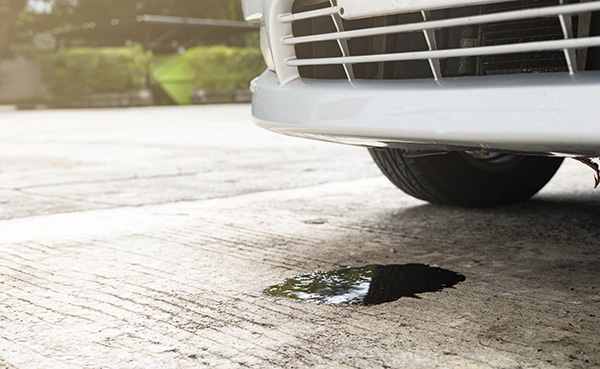
A small oil leak can feel like a later problem. The car still starts, runs, and gets you where you need to go, so it’s tempting to top off and move on. Oil leaks rarely stay neat for long.
Most small leaks either grow, spread, or create secondary problems that cost more than the original repair. Fixing it early is usually the cheaper and less stressful route.
Why Small Oil Leaks Get Worse
Heat cycles and vibration work against gaskets and seals every time you drive. Once a seal starts weeping, oil softens rubber nearby, attracts grit, and turns a clean surface into a slippery one that’s harder to seal later. A damp spot today can become a steady drip a month from now.
Even if the leak rate stays small, the mess rarely does. Airflow under the vehicle can spread oil across shields, suspension parts, and wiring, making it harder to spot new issues.
Common Engine Oil Leak Sources
Many leaks start in places that are easy to overlook because the oil travels before it drips. Valve cover gaskets can seep and run down the engine, oil filter housings can weep along a seam, and oil pan gaskets can slowly coat the underside. Seals at the front or rear of the engine can also leak and spread oil widely.
A helpful habit is to look above the wettest area. The highest fresh oil is usually closer to the real source than the lowest drip point.
Oil Leak Warning Signs
A driveway spot is obvious, but plenty of leaks never make it to the ground. The first clue may be a faint burnt-oil smell after a drive, especially after sitting at a light. You might also notice a wisp of smoke from under the hood after parking, or a greasy film near the bottom of the engine.
If you’re trying to confirm whether it’s active, these signs often show up together:
- Fresh wetness that returns soon after you wipe it
- Oil level slowly dropping between changes
- Oil smell that shows up after longer drives
- New smoke only after the engine is hot
- Dirt building up into a sticky, dark paste underneath
Oil Leak Damage Risks
Oil attracts grime, which is a bad combination around rubber and wiring. When oil coats rubber components, it can shorten the life of belts, hoses, and some bushings, leading to squeaks, slippage, or coolant hose issues that seem unrelated. Oil can also contaminate engine mounts, which are built to handle heat and load, not constant oil soak.
There’s also the hot-surface problem. Oil dripping onto an exhaust component can create smoke and odor, and in extreme cases it can create a fire risk. A messy undercarriage can also mask other leaks, turning a simple repair into a longer hunt.
Oil Leak Vs Oil Burning
Oil level dropping can come from an external leak, internal oil burning, or a mix of both. An external leak often leaves wetness and grime, and it may smell like oil cooking off after a drive. Oil burning tends to show up as steady oil loss with little wetness underneath, sometimes paired with smoke on startup or after long highway drives.
The reason this matters is that the fix path is different. A gasket repair stops a leak, but it won’t change oil consumption caused by worn rings or ventilation issues. Getting the right answer early prevents you from spending money in the wrong direction.
Fix Oil Leaks On Time
Start with the basics: keep the oil level in the safe range and note how fast it drops. If you see a change in leak rate, smell, or smoke, plan service soon instead of waiting for the next oil change. Skipping this step often leads to running low, which is where engine damage starts stacking up.
A targeted inspection can usually identify the source without replacing parts blindly, and it helps you prioritize. Sometimes the best plan is to fix the highest leak first, then clean the area and recheck, which prevents chasing a moving mess. This is also where regular maintenance pays off, because small leaks are easier to spot before everything is coated.
Get Oil Leak Repair in Hillsboro, OR with Precision Import Repair
At Precision Import Repair, we can find the source of the leak, explain what it’s affecting, and recommend a practical repair plan that fits your vehicle and budget. We can also clean and recheck the area, so you leave knowing the leak is truly handled.
Call or schedule your service today, and we’ll help you stop the leak before it turns into a bigger problem.
Follow us on Facebook for Updates!