Posted on 9/25/2026
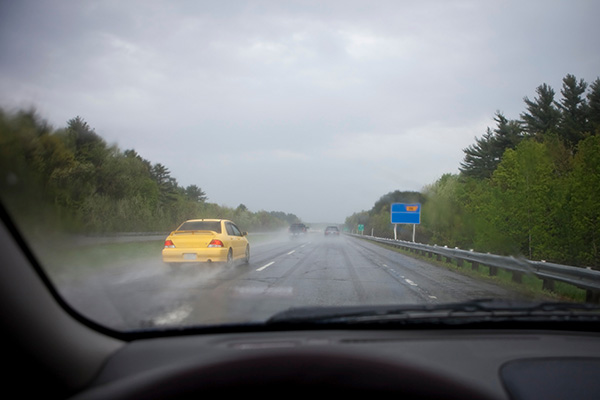
Wet roads change what you can ask of a tire. A tire that feels acceptable on dry pavement can lose grip much sooner once rain starts covering the road, especially during braking, quick lane changes, or when water collects in worn pavement. Here in Oregon, tires spend plenty of time dealing with wet conditions, so we pay close attention to tread depth, pressure, age, and wear patterns. These five tire problems are worth correcting before rainy roads expose them at the worst possible time. 1. Low Tread Depth Makes It Harder to Move Water Tread grooves give rainwater somewhere to go as the tire rolls across the pavement. As those grooves wear down, the tire becomes less effective at clearing water from underneath the contact patch. That does not mean a worn tire suddenly loses all traction, but the margin gets smaller. Wet braking distances increase, and hydroplaning becomes easier at higher speeds or in standing water. During an inspection, we measure tread across se ... read more