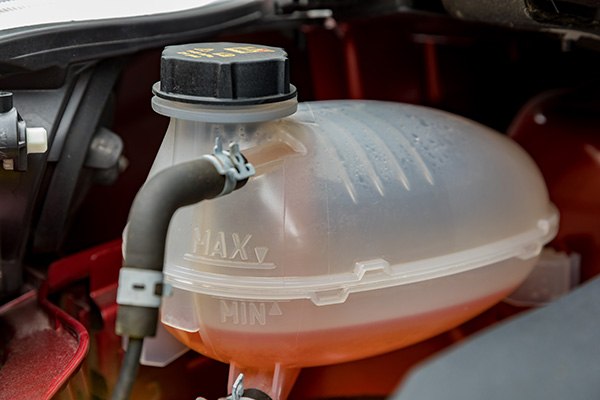
Low coolant is easy to underestimate when the car still starts and drives. The temperature gauge might look normal at first, the engine may sound fine, and nothing obvious may be dripping onto the driveway. That is exactly why drivers keep going longer than they should.
Coolant is one of the main things standing between normal engine heat and expensive damage. Once the level drops, the system loses its ability to carry heat away evenly. The longer the engine runs that way, the less room it has to protect itself.
Low Coolant Removes The Engine’s Safety Cushion
A cooling system is designed to stay full, sealed, and pressurized. Coolant moves through the engine, radiator, heater core, hoses, and water pump to pull heat away and release it. When the level is low, circulation changes, and the system cannot manage temperature as well.
At first, the car may only run a little warmer than normal in traffic or on longer drives. Then the temperature can climb faster under load, especially with the A/C on or during hot weather. Low coolant provides the engine with less protection when it needs stable cooling the most.
Heat Builds In The Wrong Places
Engines do not overheat evenly. When coolant is low, hot spots can form inside the engine where fluid is no longer reaching the way it should. Those hot spots can stress metal parts, gaskets, seals, and plastic cooling components.
The cylinder head is one of the parts most at risk. Too much heat can cause warping, sealing problems, and head gasket failure. Once that happens, the repair is no longer centered on a coolant leak. It becomes serious engine work that could have been avoided with faster attention.
Small Leaks Do Not Stay Small
Coolant does not disappear like fuel. If the level keeps dropping, there is a reason. Common causes include leaking hoses, a weak radiator, a bad water pump, a cracked reservoir, a failing pressure cap, or a thermostat housing that no longer seals correctly.
Some leaks are easy to spot. Others leave only a sweet smell, crusty residue, or a low reservoir every few days. A cooling system inspection can find the source before repeated overheating starts damaging the engine. Catching a leak early is much easier than waiting until steam comes from under the hood.
Topping Off Only Buys Time
Adding coolant can help at the moment, but it is not a permanent fix unless the cause of the loss is identified. If the system is leaking or losing pressure, the fresh coolant will continue to escape. The warning might go away for a short time, but the engine is still relying on a system that is not holding up.
The right coolant type also counts. Mixing the wrong coolant or adding plain water as a long-term fix can reduce corrosion protection and create more problems inside the system. Water can help in an emergency, but it should not replace the correct coolant mixture once the vehicle is repaired.
Warning Signs To Take Seriously
Low coolant gives several clues before the situation gets severe. A temperature gauge that rises above normal is one of the clearest signs. Heat from the vents that alternates between warm and cool can also point to poor coolant flow.
Other warnings include a sweet smell after driving, coolant residue around hoses or fittings, puddles under the vehicle, or a low coolant message on the dashboard. If the engine starts running hot, the heater stops working correctly, or steam appears, the car should not be pushed farther. Those signs mean the cooling system is already losing control of engine temperature.
When Driving Becomes Risky
Driving with low coolant gets risky once the temperature starts climbing or the level keeps dropping after top-offs. At that point, every trip gives heat more time to damage parts that were never meant to run that hot. The engine oil can also be affected because excessive heat makes it harder for the oil to protect internal parts.
Regular maintenance helps catch weak hoses, aging coolant, worn caps, and early leaks before the engine is put under that kind of stress. A cooling problem is always cheaper to fix before it leads to overheating. Once the head gasket, cylinder head, or internal engine parts are involved, the repair becomes much more serious.
Get Cooling System Repair In Hillsboro, OR, With Precision Import Repair
If your coolant level keeps dropping or your engine has started running hotter than normal, Precision Import Repair in Hillsboro, OR, can find the cause and help protect the engine from heat damage. Do not keep topping it off and hoping the leak slows down. To get the cooling system checked before the repair grows, contact us to schedule an appointment.
Follow us on Facebook for Updates!