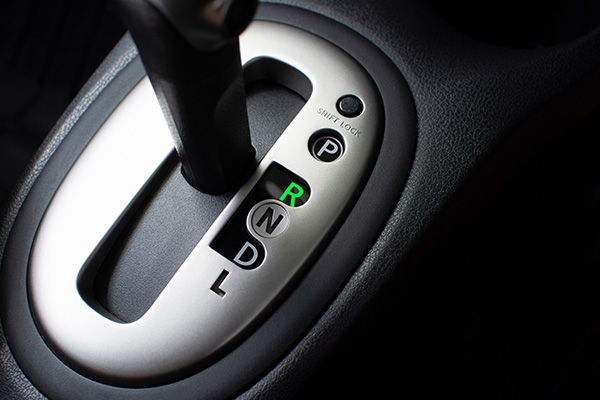
A clunk when shifting into Drive or Reverse means something is moving farther than it should as engine torque changes direction. The sound may come from worn engine or transmission mounts, excessive drivetrain clearance, a damaged axle joint, loose suspension hardware, or a transmission engagement problem.
The exact cause depends on when the clunk occurs and what the vehicle does at the same time. A single thud as the gear engages points technicians toward a different group of components than repeated clicking while backing up or a knock that appears when accelerating after the shift.
Worn Engine Or Transmission Mounts
Engine and transmission mounts hold the powertrain in position while isolating vibration from the vehicle body. Most use rubber, hydraulic fluid, or electronically controlled components to absorb movement. As a mount weakens, the engine or transmission can shift excessively when torque is applied.
Selecting Drive loads the mounts in one direction, while selecting Reverse loads them in the opposite direction. A torn rubber mount or collapsed hydraulic mount may allow the powertrain to lift, twist, and strike a bracket or nearby component. Drivers may also notice increased vibration at idle, movement during acceleration, or a thump when lifting off the throttle.
Mount condition must be checked under controlled load because a failed mount may look acceptable when the vehicle is parked. The technician can observe powertrain movement while the brakes are applied and the transmission is shifted safely between positions.
Excessive Drivetrain Clearance
Every drivetrain has a small amount of clearance between gears, splines, joints, and shafts. That clearance allows parts to move and lubricate correctly. As components wear, the combined movement can become large enough to create a noticeable clunk when torque changes direction.
Rear-wheel-drive and four-wheel-drive vehicles may develop play in the driveshaft slip joint, universal joints, differential gears, transfer case, or axle splines. Front-wheel-drive vehicles can develop clearance in inner CV joints, axle splines, or differential components inside the transaxle.
A small amount of movement is normal. The concern becomes significant when the sound grows louder, appears during every direction change, or is accompanied by vibration, shuddering, or delayed power delivery. Hands-on checks help determine where the extra movement is located.
CV Axles And Universal Joints
CV axles transfer power to wheels that must steer and move with the suspension. Inner CV joints can create a clunk during gear engagement or when accelerating and decelerating. Outer CV joints more commonly click during tight turns, especially while applying power.
Universal joints on driveshafts can develop looseness, binding, or dry bearings. A worn joint may clunk as the transmission takes up the clearance when Drive or Reverse is selected. Continued operation can cause vibration and damage the driveshaft, transmission output area, or differential connection.
Warning signs around these components include:
- Clunking when changing direction
- Clicking during tight turns
- Vibration under acceleration
- Grease thrown around a torn axle boot
- Rust-colored dust around a universal joint
- Movement at a driveshaft connection
- Shuddering as the vehicle begins moving
A damaged boot does not automatically mean the joint has failed, but it allows grease to escape and contamination to enter. Early attention may prevent complete axle or joint failure.
Loose Suspension Or Subframe Components
The clunk may come from the chassis rather than the transmission. Control arm bushings, ball joints, sway bar parts, and subframe mounts can move when the vehicle first begins traveling forward or backward. Braking and acceleration apply force in opposite directions, exposing looseness that may not appear while driving steadily.
Loose subframe bolts or worn bushings can produce a deep knock under the floor. A damaged control arm bushing may allow a wheel to shift slightly as torque is applied. The vehicle may also pull, wander, or clunk during braking.
An inspection should include the suspension, steering, exhaust, and underbody shields. An exhaust pipe or heat shield can contact the body when the engine moves, creating a sound that closely resembles a failed mount or internal transmission problem.
Delayed Transmission Engagement
A transmission that hesitates before engaging can create a stronger-than-normal impact when the clutches finally apply. Low fluid, incorrect fluid, hydraulic pressure loss, worn internal seals, valve body trouble, or electronic control faults may be involved.
The delay is an important detail. If the driver selects Drive or Reverse, waits a second or longer, and then feels a hard engagement, the transmission needs diagnostic testing. Repeatedly increasing engine speed while waiting for the gear to engage can make the impact more severe and accelerate internal wear.
Transmission fluid must be checked using the correct procedure. Many modern units have no dipstick and require the vehicle to be level while the fluid is within a specific temperature range. Adding fluid without confirming the level and specification can create additional problems.
How Technicians Find The Source
The technician begins by confirming whether the sound occurs during gear selection, initial movement, braking, turning, or throttle changes. The vehicle may then be checked on a lift for mount movement, axle play, driveshaft clearance, loose hardware, fluid leaks, and damaged suspension parts.
Diagnostic testing may also include reviewing transmission fault information, monitoring commanded gear and pressure data, and checking fluid condition. Reproducing the exact symptom is essential because several components can create a similar clunk.
A precise repair corrects the source rather than replacing parts based on the sound alone. Worn mounts, loose joints, and delayed transmission engagement require different procedures, even when the driver experiences them in nearly the same way.
Get Clunking And Drivetrain Repair In Hillsboro, OR, With Precision Import Repair
Precision Import Repair in Hillsboro, OR, can inspect the engine and transmission mounts, CV axles, driveshaft components, suspension hardware, fluid condition, and transmission operation.
Contact us to schedule service for a clunk when shifting into Drive or Reverse, and follow us on Facebook for updates.
Follow us on Facebook for Updates!